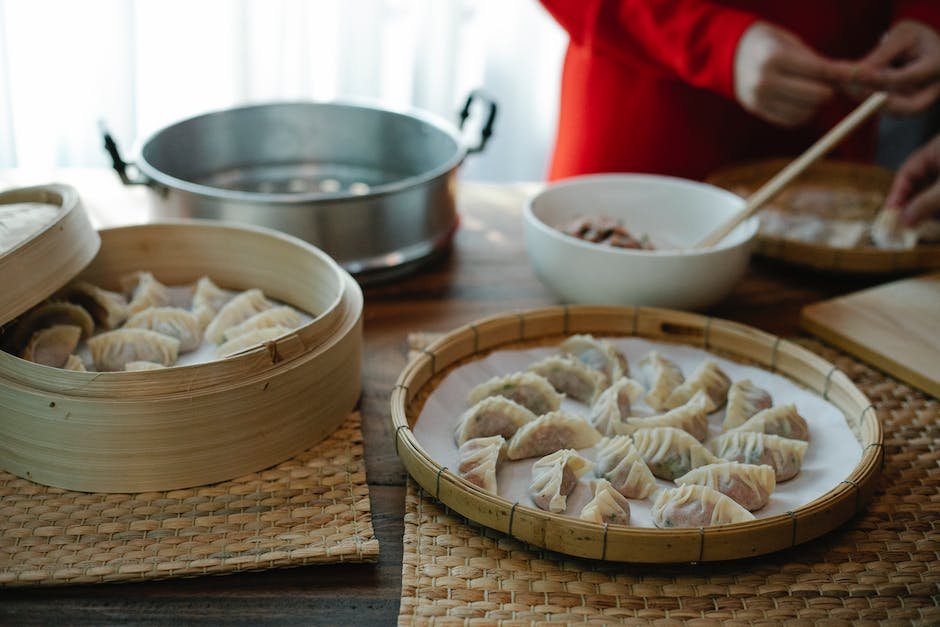
The pursuit of authentic local and international cuisine isn't just about eating; it's about connecting. It’s a journey into the soul of a culture, a taste of history, and an experience that transcends mere sustenance. From bustling street markets to Michelin-starred establishments, the quest for genuine flavors is a universal language, inviting you to explore traditions, innovation, and the stories behind every dish. But what truly makes a dish "authentic," and how do you navigate the vast culinary landscape to find those hidden gems that offer a true taste of a place or people?
At a Glance: Your Culinary Compass
- Authenticity Defined: It’s more than just ingredients; it’s about technique, tradition, and cultural context.
- Why It Matters: Authentic food offers a deeper connection to culture, supports local economies, and expands your palate.
- Finding the Real Deal: Look for local endorsements, diverse patronage, specialized menus, and unassuming atmospheres.
- Local Legends: Cities like Fremont showcase incredible immigrant-driven culinary diversity, from Afghan to Uyghur.
- Global Gastronomy: Nearby areas boast world-class authentic experiences, from rustic Greek to Japanese Omakase.
- Beyond the Plate: Authentic dining is a sensory and cultural experience, often steeped in community and heritage.
The Heartbeat on Your Plate: What "Authentic" Really Means
Let's be honest, "authentic" can feel like a loaded word in the food world. Does it mean only dishes made with ingredients sourced directly from the country of origin? Only recipes passed down for generations without a single tweak? Not exactly. True authenticity in cuisine isn't a rigid, unyielding standard; it's a spectrum, a dynamic interplay of tradition, adaptation, and cultural integrity.
At its core, authentic local and international cuisine reflects the original intent, techniques, and cultural context of a dish. It’s about flavors that evoke a sense of place, a history, or a specific community. It considers:
- Traditional Ingredients: Using the right types of rice for a paella, specific spices for an Indian curry, or native herbs for Greek fare.
- Preparation Methods: Hand-stretched noodles, slow-roasted meats, or specific fermentation processes are often integral to a dish's character.
- Cultural Context: The way food is served, shared, and consumed can be as important as the dish itself. Is it family-style? A street snack? A ceremonial meal?
- Adaptation, Not Dilution: While every cuisine evolves, truly authentic places adapt thoughtfully, perhaps substituting a hard-to-find ingredient with a local equivalent that maintains the spirit, rather than dumbing down flavors for a broader, less adventurous palate.
Think of it this way: a truly authentic Italian restaurant might import San Marzano tomatoes, but more importantly, its chef understands the delicate balance of al dente pasta and the art of a slow-cooked ragù, just like grandma would make.
Why Chasing Authentic Flavors Is a Journey Worth Taking
Why bother seeking out the "real deal" when convenient, fusion, or Americanized versions are often more accessible? The answer lies in the richness of the experience.
- A Deeper Cultural Connection: Food is arguably the most intimate way to experience a culture. When you taste a dish prepared authentically, you're not just eating calories; you're tasting history, geography, and the stories of people. You begin to understand the nuances of a culture through its spice blends, cooking methods, and communal eating rituals.
- Expanding Your Palate: Authentic dishes often challenge your taste buds in the best way possible. They introduce you to flavor profiles, textures, and ingredients you might never encounter otherwise, broadening your culinary horizons far beyond the familiar.
- Supporting Culinary Heritage: By choosing authentic establishments, you’re often supporting immigrant communities, family-owned businesses, and chefs dedicated to preserving their cultural heritage. You help keep culinary traditions alive and thriving.
- Unforgettable Memories: The most memorable meals are rarely the generic ones. They are the unexpected delights found in a hidden gem, the meal shared with passionate cooks, or the dish that transports you halfway across the world with a single bite.
A World on Your Plate: Fremont and the Bay Area’s Culinary Tapestry
If you want to understand the power of authentic local and international cuisine, look no further than communities shaped by global migration. Fremont, nestled in the San Francisco Bay Area's East Bay, is a prime example. Its vibrant culinary scene is a direct reflection of its significant Afghan-American, Chinese, Indian, and Filipino immigrant populations. Here, authenticity isn't a marketing buzzword; it's a way of life, expressed in kitchens bustling with time-honored traditions.
Fremont's Authentic Gems: A Taste of the World
In Fremont, you can embark on a culinary world tour without ever leaving the city limits. Each restaurant tells a story, often spanning continents and generations:
- Sankalp The Taste of India: Dive into the diverse regional flavors of India. From savory dosas to rich curries, Sankalp offers a menu that honors the vast culinary traditions of the subcontinent, transporting you to the bustling streets and elegant dining rooms of India.
- Ristorante Il Porcino: For a slice of Italy, this establishment provides an authentic Italian experience with a cozy, family-friendly atmosphere. Their diverse menu, featuring daily specials for pasta, fresh fish, and succulent meats, speaks to a commitment to genuine Italian cooking, where quality ingredients and traditional preparations shine.
- Arzu Uyghur (Cedar Boulevard): A unique and vital culinary experience, Arzu Uyghur offers Halal Muslim Chinese food. This isn't your typical Chinese takeout; it's a blend of Uyghur Chinese culture, with menu items like flavorful skewers, hearty chicken dishes, hand-pulled noodles, and comforting soups that tell a story of Central Asian influences.
- Bob Sang Korean BBQ: Get ready for an interactive and utterly delicious journey into Korean cuisine. Specializing in dishes like Korean Short Ribs, Dak Guyee (spicy chicken BBQ), and Kalbi, Bob Sang ensures you experience the true joy of Korean BBQ, complete with a spread of traditional banchan (side dishes) and even non-meat options.
- De AFGHANAN: This spot is a testament to the rich, aromatic flavors of Afghan food. With a strong focus on succulent kebabs, comforting Aush (noodle soup), and the delightful sweet pumpkin dish Kado Borani, De AFGHANAN brings the warmth and hospitality of Afghan dining to Fremont.
Beyond Fremont: The Wider Bay Area's Global Table
The pursuit of Authentic Local & International Cuisine extends well beyond Fremont, with neighboring cities offering equally impressive and diverse culinary experiences. This broader region is a testament to how immigrant communities enrich the gastronomic landscape, pushing boundaries while honoring heritage.
- Jaks Authentic Indian & Modern Vibe (Santa Clara): Located in Santa Clara's Market Place District, Jaks has garnered significant acclaim, including a nod in Forbes magazine in 2024 and an OpenTable Diners’ Choice Award. Led by Master Chef Prakash Singh, Jaks masterfully blends Indian tradition with modern elegance, showcasing diverse regional flavors from Tamil Nadu to Punjab and Goa. It’s also noteworthy for being one of the first Indian restaurants to offer 12 on-tap microbrewery beers and boasts "The Peg Bar" with an impressive selection of Japanese whiskey, aged single malt scotch, bourbon, and aged tequila. This is where innovation meets unwavering authenticity.
- Evvia (Palo Alto): Since 1995, Evvia has been serving authentic rustic Greek cuisine, a sister restaurant to the renowned Kokkari. Their menu celebrates fresh fish, savory roasted meats, and grilled/roasted vegetables, all enhanced with the quintessential Greek flavors of lemon, olive oil, and Mediterranean herbs. It’s a true taste of the Aegean.
- Telefèric Barcelona - Palo Alto & Los Gatos: With staff straight from Barcelona, Telefèric delivers an authentic Spanish gastronomy experience. Expect innovative dishes, hand-crafted cocktails, and a vibrant atmosphere designed to capture the essence of Spanish culture and the joy of sharing meals. Their menu of Spanish tapas and paellas is a journey to Catalonia.
- Macarena The Art of Celebration (Palo Alto): This restaurant presents classic Spanish cuisine rooted in timeless, traditional recipes. Dishes like their rich paellas and vibrant tapas offer a direct connection to Spain’s culinary heritage, inviting diners to celebrate with every bite.
- Yeobo, Darling (Palo Alto): Founded by chefs Meichih and Michael Kim, Yeobo, Darling celebrates Korean and Taiwanese heritages with a fresh perspective. The restaurant is renowned for its abundant banchan service, use of seasonal ingredients, and innovative interpretations of classic flavors. Their beverage program, highlighting tea-infused cocktails and premium sool (Korean alcohol like soju and makgeolli), adds another layer to this authentic and creative dining experience.
- Sushi Shin - Redwood City: For an unparalleled Japanese fine dining experience, Sushi Shin offers an Omakase menu featuring fresh, top-quality fish and seafood, primarily imported from Tokyo’s famed fish market, supplemented by other global ingredients. Serving Japanese sakes and bottled Japanese beers, it provides an exquisite Edomae-style sushi experience, a testament to precision and tradition.
- The Hero Ranch Kitchen: Emphasizing quality ingredients, this establishment serves a menu that includes exquisite Wagyu steaks and hearty 1lb burgers, alongside a selection of fairly priced wines. While the specific city wasn't provided, its inclusion among these regional gems suggests a commitment to high-quality, authentic American-influenced cuisine.
These establishments are more than just restaurants; they are culinary ambassadors, bridging cultures and bringing the world's most cherished flavors to your doorstep.
Your Guide to Finding Authentic Local & International Cuisine
In a world full of options, how do you sift through the noise to find the real deal? Here’s your practical guide to becoming a savvy seeker of authenticity:
1. Follow the Locals (Literally)
The most telling sign of authenticity? The clientele. If a restaurant is bustling with people from the cuisine's country of origin, you're likely onto something good. They know what's real, and they're voting with their feet (and their appetites). Don't be afraid to venture into neighborhoods known for specific ethnic communities—that's often where the magic happens.
2. Look for Unassuming Atmospheres and Specialized Menus
Often, the most authentic places prioritize flavor over fancy decor. They might have simpler interiors, but their kitchens are churning out incredible food. Similarly, look for menus that are highly specialized rather than generic. A restaurant offering 50 different "Asian" dishes might be stretching itself thin; one focusing on specific regional Korean BBQ or Uyghur noodles is likely to excel in its niche.
3. Embrace Language Barriers (Sometimes)
While it might seem counterintuitive, a menu that isn't perfectly translated into English, or staff who speak limited English, can sometimes be a good sign. It often indicates that the establishment caters primarily to its native-speaking community, which usually means greater authenticity in its dishes. Don't worry; most places are more than happy to help you navigate with patience and a smile.
4. Consult Trustworthy Online Reviews (with a Grain of Salt)
Platforms like Yelp, Google Reviews, and specialized food blogs can be helpful, but read between the lines. Look for reviewers who specifically mention the "authenticity" of the flavors, comparisons to their grandmother's cooking, or details about traditional dishes. Ignore reviews that complain about things like "too spicy" or "unfamiliar ingredients" if those are inherent to the cuisine's true character.
5. Seek Out Culinary Hubs and Marketplaces
Many cities have specific neighborhoods or markets that act as epicenters for certain cuisines. For example, if you're looking for traditional Latin American fare, a bustling mercado or a street with multiple Salvadoran or Mexican eateries is a good starting point. These hubs often foster a sense of competition and community that pushes establishments to maintain high standards of authenticity.
6. Don't Fear the Unknown: Order a Signature Dish
If you're unsure what to order, ask the server for their recommendation for a traditional or signature dish. Often, these are the items the kitchen prides itself on and executes flawlessly. It’s a great way to experience the culinary cornerstone of a particular cuisine.
The Cultural Story on Your Plate: Beyond Just Food
Authentic Local & International Cuisine is more than a list of ingredients or a cooking method; it’s a living testament to human history, migration, and the enduring power of community. Every dish carries stories—of hardship, celebration, innovation, and tradition.
Think of the way a dish evolves as people move across borders. Recipes adapt to new climates and available ingredients, yet they retain a core identity that speaks to their origins. This adaptation is part of the ongoing story of authenticity, showing how cultures preserve their culinary heritage while embracing new environments.
Take, for instance, the specific regional dishes that become synonymous with a place. Just as the San Francisco Bay Area boasts its diverse range of international offerings, places like Key West are defined by their unique local flavors. If you're ever exploring the distinct culinary identity of an island, you'll undoubtedly want to find the Best Original Key West Cuban Food, a testament to its vibrant immigrant history. Similarly, you wouldn't leave without seeking out Key Wests best Key lime pie, a dessert that has become a symbol of the region.
These specific local delicacies, much like the broader spectrum of international cuisine, reveal how food serves as a powerful anchor for identity and a source of pride. The preparation of Traditional Key West conch dishes, for example, isn't just about cooking seafood; it's about connecting with the island's maritime culture and its historical reliance on local resources. These are dishes that have evolved with a community, telling its story through flavor and tradition.
By engaging with authentic cuisine, you are not just a diner; you become a participant in a cultural exchange, a witness to the preservation of heritage, and a contributor to the ongoing story of global gastronomy.
Common Myths and Misconceptions About Authentic Cuisine
In your journey, you might encounter some common beliefs that could lead you astray. Let's clear them up.
Myth 1: Authentic Always Means Spicy.
Reality: While many cuisines use chilis, not all authentic dishes are fiery hot. Spice levels vary greatly by region, dish, and individual preference. A true authentic experience embraces the full spectrum of a cuisine's flavor profile, from mild and fragrant to intensely piquant.
Myth 2: If It's Not Exactly Like My Grandparent's, It's Not Authentic.
Reality: Authenticity isn't a single, monolithic standard. Regional variations exist even within a single country or culture. What's authentic in one village might differ slightly from another. Embrace these variations as part of the rich tapestry of a cuisine, rather than seeing them as deviations.
Myth 3: Authentic Food Must Be Cheap.
Reality: While many authentic eateries are budget-friendly, authenticity doesn't equate to low cost. High-quality ingredients, labor-intensive preparation, and skilled chefs all contribute to pricing. A fine dining restaurant can be just as authentic (or more so) than a street food vendor, simply catering to a different clientele and experience.
Myth 4: Any Restaurant Run by People from the Country is Authentic.
Reality: While a strong indicator, it's not a guarantee. Some establishments owned by individuals from a certain background might still cater heavily to a generalized "Western" palate, adjusting flavors, ingredients, or cooking methods to appeal to a broader market, sometimes at the expense of tradition. Always look for the other signs of authenticity as well.
Your Culinary Compass: Charting a Course for Global Flavors
Embarking on a quest for authentic local and international cuisine is one of life's most rewarding adventures. It's a journey that continually educates your palate, broadens your perspective, and connects you to the intricate beauty of human culture. Each plate becomes a passport, transporting you to distant lands or revealing the hidden depths of your own community.
Remember, the goal isn't just to eat; it's to experience. It's to savor the stories, the traditions, and the passion poured into every dish. So, the next time you're looking for a meal, dare to seek out the authentic. Trust your instincts, follow the locals, and be open to flavors that challenge and delight you. Your culinary adventure awaits, rich with the promise of discovery and delicious revelations.